
Science Briefing: Live from AAS! 2022
Location
Virtual
Contact Information
About Event
While the American Astronomical Society meeting has been cancelled, we’ll still be providing access to select researchers who will discuss their breaking news results coming out of NASA Astrophysics missions, and tie these results to NASA’s Big Questions:
- How Does the Universe Work?
- How Did We Get Here?
- Are We Alone?
In addition to the new science results, we will highlight several NASA educational resources. There will also be opportunities for you to ask questions directly of those presenting.
About the Series
The NASA’s Universe of Learning Science Briefings are professional learning telecons for the informal science education community, done in partnership with the NASA’s Museum & Informal Education Alliance, now found on NASA CONNECTS. These monthly thematic briefings highlight current NASA astrophysics explorations and discoveries from across the suite of NASA astrophysics missions. NASA scientists and engineers provide contemporary science results, and are able to respond to listener questions during the telecon. NASA-developed education and outreach resources, matched to the monthly theme, are included in every briefing.
In order to participate in the telecon and ask questions of the scientists, please join NASA’s Museum & Informal Education Alliance.
Facilitator & Presenters
-
 Dr. Kelly Lepo is an Education and Outreach Scientist at the Space Telescope Science Institute, where she primarily works to support outreach efforts for the James Webb Space Telescope. She received a PhD in Astronomy and Astrophysics from the University of Toronto. During her time in Canada, she made numerous local and national media appearances to talk about everything from the 2012 Mayan Apocalypse to the Super Blue Blood Moon. She previously served as the Coordinator of the McGill Space Institute, designed undergraduate teaching labs, taught physics at Gonzaga University, and helped build the Large Hadron Collider at CERN.
-
Jim Manning is a science education consultant with long experience as a planetarium director, including in a museum setting. Most recently, he has served as head of the Office of Public Outreach at the Space Telescope Science Institute in Baltimore, and as Executive Director of the Astronomical Society of the Pacific in San Francisco. He’s a past president of the International Planetarium Society, and has been Principal Investigator or Co-PI for a number of NASA-funded and NSF-funded programs in informal science education. He currently consults for NASA’s Universe of Learning program.
-
Dr.
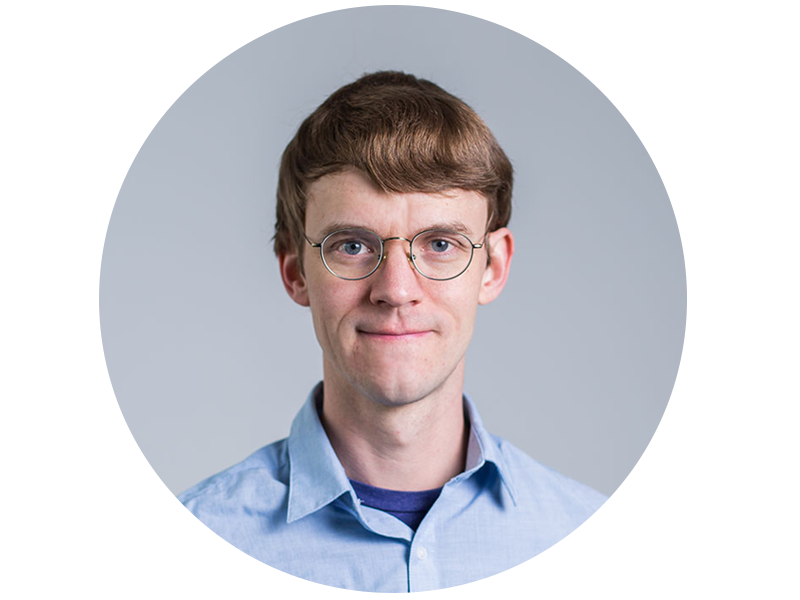 Daniel Perley is a Reader of Astrophysics at the Astrophysics Research Institute at Liverpool John Moores University in England. He is an observational astronomer who studies supernovae and other types of cosmic explosions. He received his PhD at the University of California, Berkeley in 2011 and has previously worked at Caltech and at the University of Copenhagen.
-
Dr.
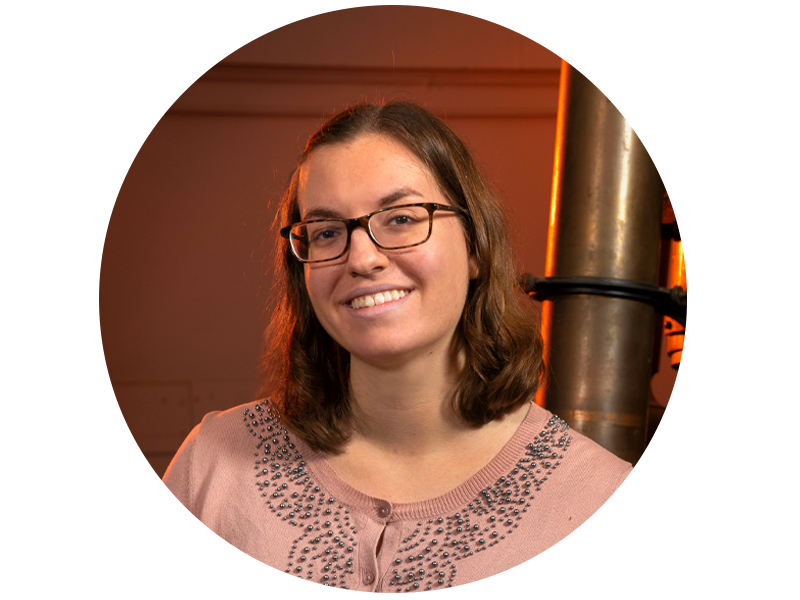 Catherine Zucker is a NASA Hubble Fellowship Program Hubble Fellow at the Space Telescope Science Institute. Prior to joining the institute in Fall 2021, Catherine received her PhD in astronomy at Harvard University in Spring 2020 and spent one year as a postdoctoral fellow at the Center for Astrophysics | Harvard & Smithsonian. Catherine’s research focuses on developing novel techniques to map out the structure and dynamics of our home galaxy, the Milky Way, with the goal of understanding the physical processes that influence the formation of new stars. She is excited to share her latest work on constructing the star formation “history” of our galactic neighborhood with NASA’s Universe of Learning community.
-
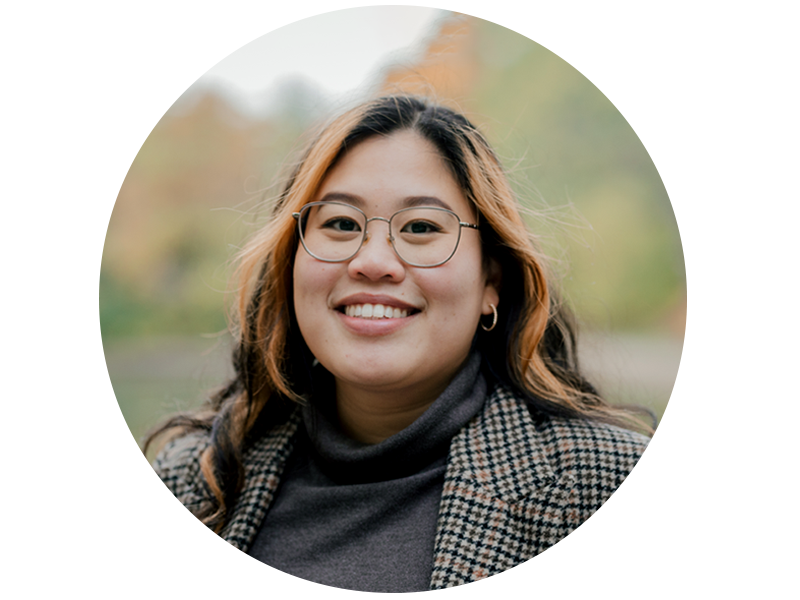 Lisa Dang is a physics PhD candidate at the McGill Space Institute and the Institute for Research on Exoplanets (iREx). During her graduate degree, she also held a research position at the NASA Spitzer Science Center at Caltech in Pasadena. She studies the diversity of exoplanets and their climate with a variety of space telescopes, most excitingly with the upcoming James Webb Space Telescope. She hopes to understand how planets form and evolve to provide some context for the Solar System.