View some of the most interesting discoveries of NASA’s Spitzer Space Telescope, which delivered the universe to us in infrared light. Highlights include star-forming regions, interacting galaxies,...
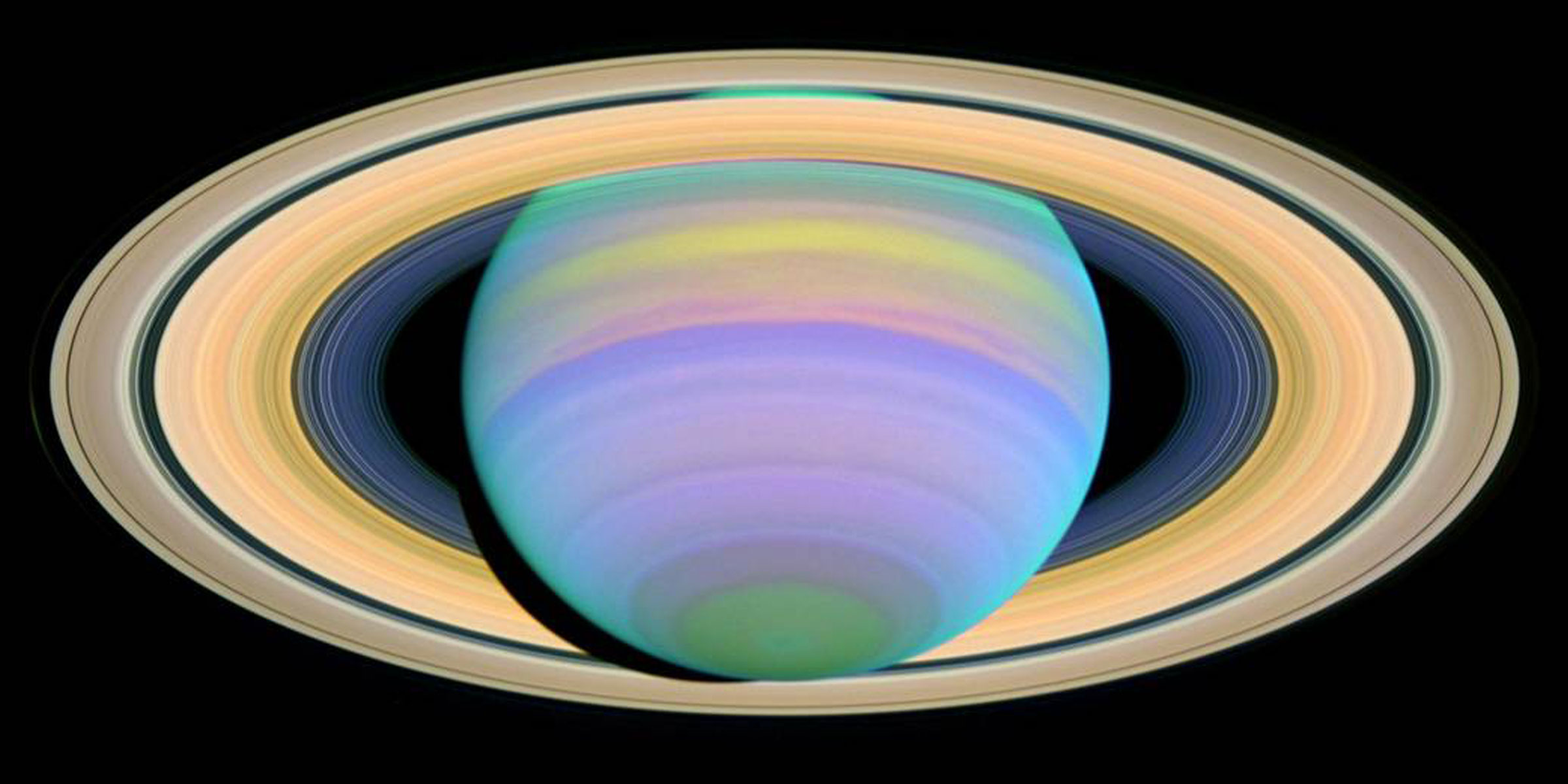
Ultraviolet light helps us learn about how stars form and shape their environments, traces the structure and development of galaxies, and has been detected on other planets in our solar system. Discover...
The universe is filled with objects that test the laws of physics, including extreme energies, new states of matter, and gravitational and magnetic fields that far exceed those on Earth. Explore what we...
Immerse your viewers in the scale of the universe, how galaxies change over time, and what the center of our Milky Way looks like (and why we don’t have a full image of it!) in these videos.
Are...
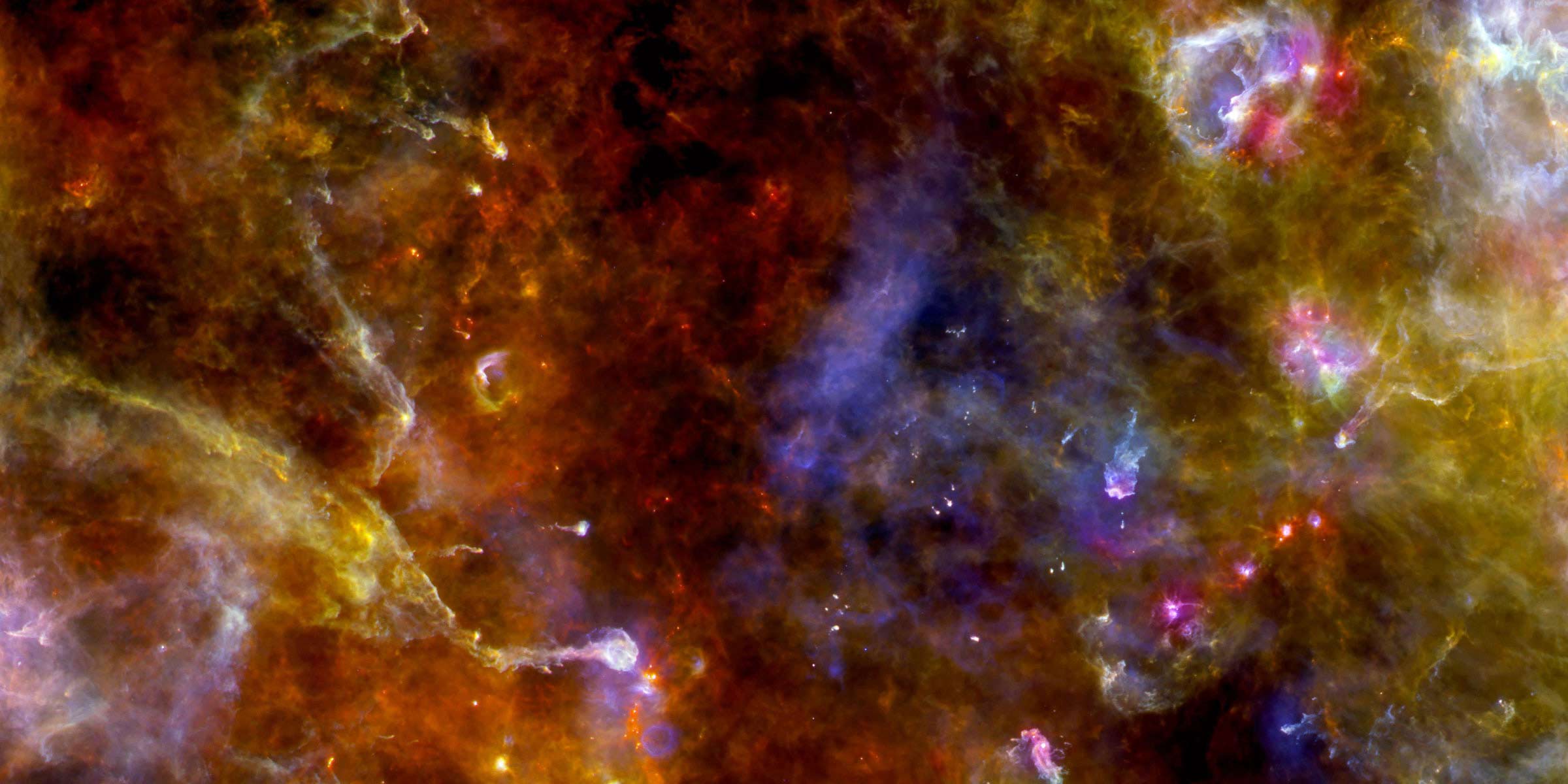
ESA’s Herschel Space Observatory studied the universe in far-infrared light and submillimeter radiation, revealing new details about the earliest, most distant stars and galaxies, as well as those...
A black hole is a region of space packed with so much mass that its own gravity prevents anything from breaking away. Although we can’t see a black hole, telescopes can observe the material around...
What happens when a star dies? It varies! Some stars die slowly, giving off puffs of gas and dust before collapsing to form small white dwarf stars. Much larger stars die suddenly in powerful explosions...
Compare how X-rays deliver detail about some of the most energetic processes in the universe. Explore X-rays in the context of black holes, supernovas, and galaxy clusters in these engaging videos.
Are...
Help viewers discover the process of science! These videos explore how light travels, various telescope technologies, how we detect galaxies and exoplanets, and so much more.
Are you interested in playing...
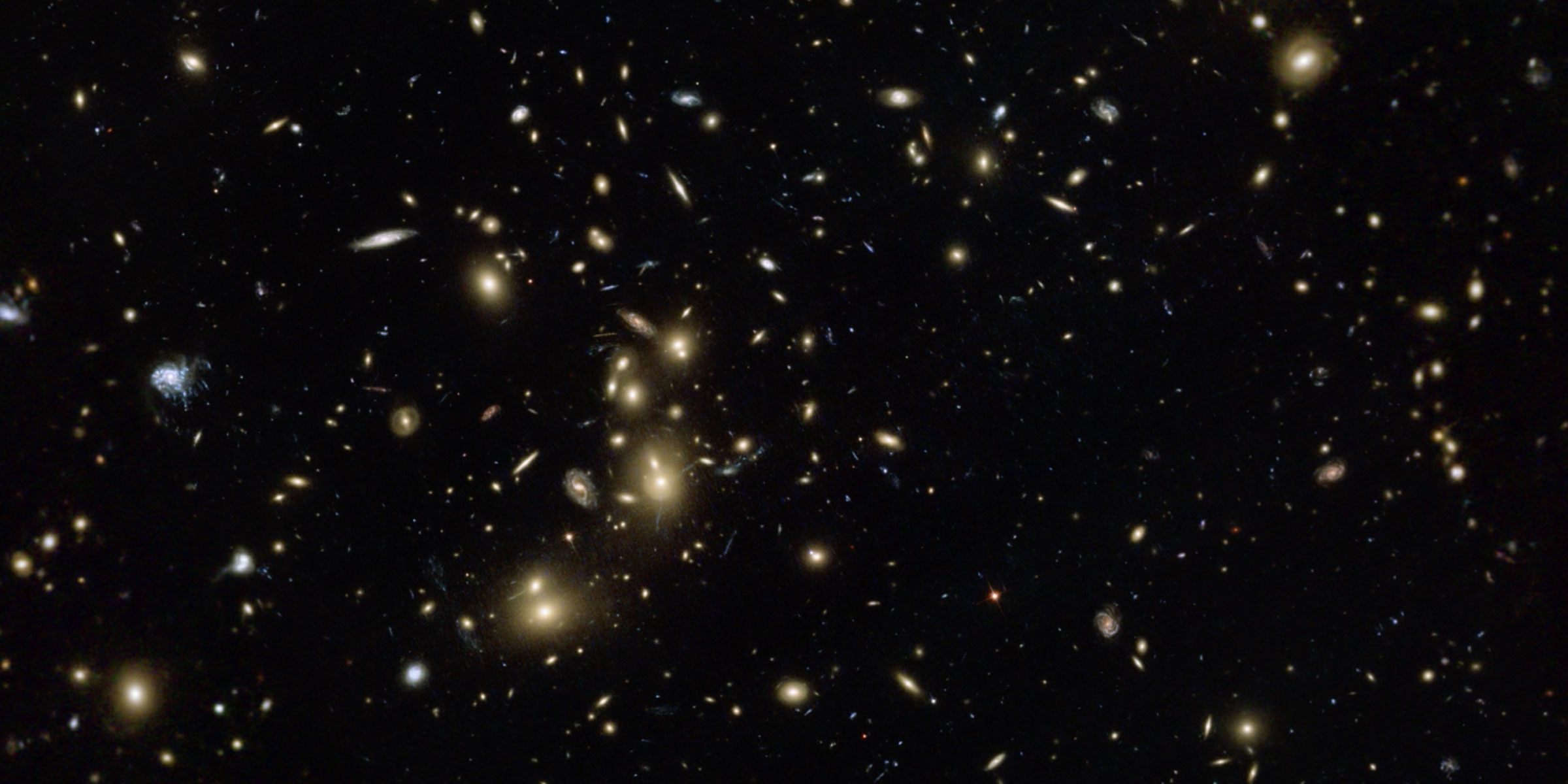
Scientists know more about what dark matter isn’t than what it is. We know dark matter exists because of its gravitational effects on objects we do see – objects that emit or reflect light....
Take video tours of giant clouds of dust and gas in space, where new stars are forming or are the result of dying stars exploding. Highlights include the Cat’s Paw Nebula, Westerlund 2, the Eagle...
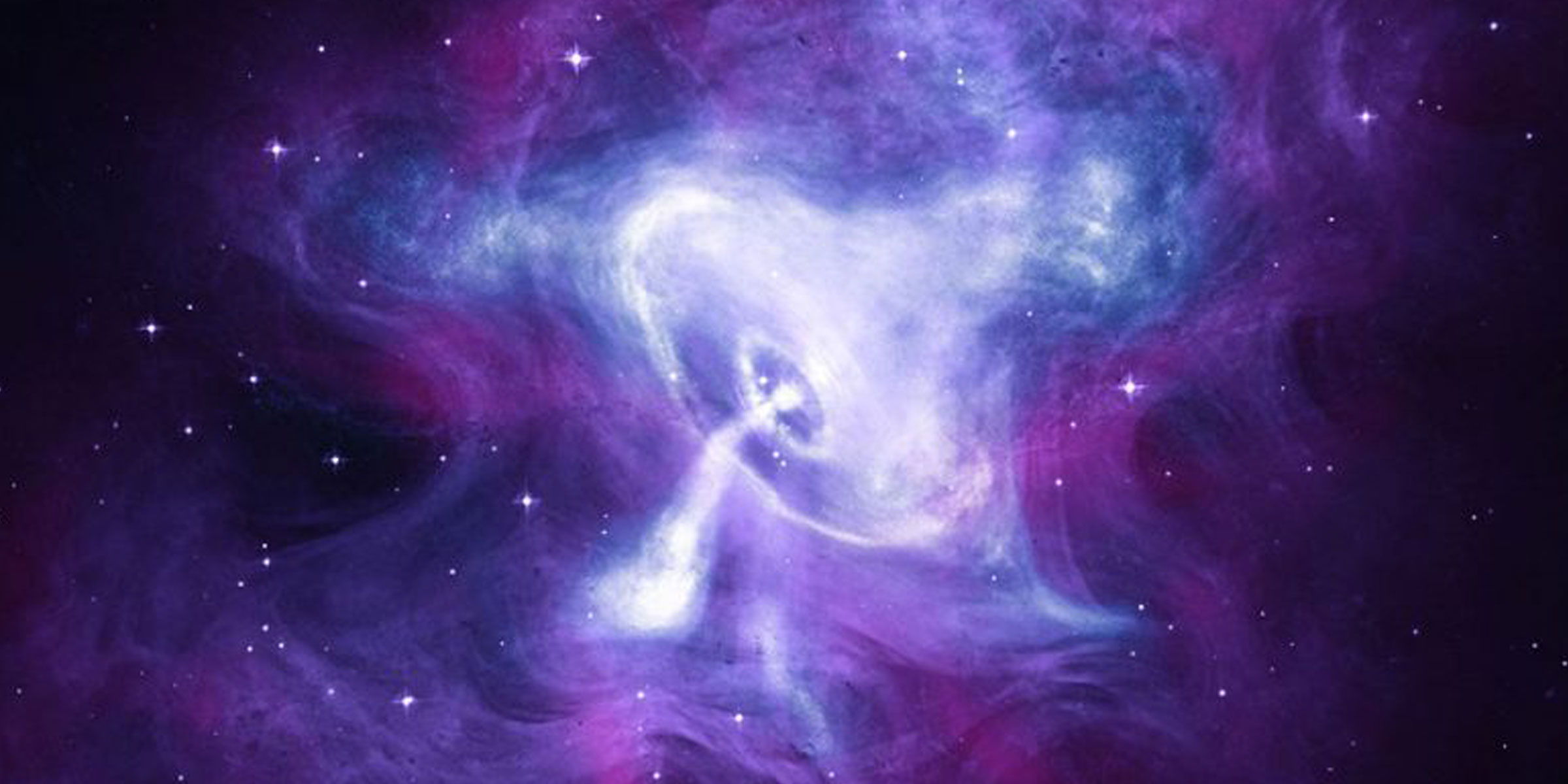
What happens after a star explodes? Explore a supernova’s aftermath in detail, and learn about well-known objects like the Crab Nebula, Eta Carinae, and Supernova 1987A in these videos.
Are you...
Learn what we know about some faraway planets, how we can detect planets in our Milky Way galaxy, and what we can learn about exoplanets’ atmospheres in these videos.
Are you interested in playing...
When galaxies are drawn toward each other by gravity, stars and planets can pass by each other unharmed, but the gas and dust between stars collide. The gas is compressed and heated, setting off waves...
How big is the universe? What happened after the big bang? How do we know the universe is expanding? Explore what we know about the history and origin of the universe in this video series.
Are you interested...