
EDUCATIONAL RESOURCES AND EVENTS
Educational Resources and Events Catalog
Filter Results
-
Ask the Astronomers Live: A Wake in the Dark (Matter)
May 28, 2021 Virtual Science TalkWhat happens when you map out the farthest stars in our Milky Way galaxy? You can trace how the gravity of a neighboring galaxy affected those distant stars' positions as our neighboring galaxy heads ...
-
Science Briefing: Exploring the Infrared Universe
May 6, 2021 Professional Learning WebinarPlease join us for this edition of NASA’s Universe of Learning Science Briefings! We will learn how infrared astronomy works and what we can learn using infrared light. This briefing will give useful ...
-
Space News: Carnegie Science Center, Buhl Planetarium
Program ModelCarnegie Science Center’s Buhl Planetarium Space News is a 10-minute planetarium pre-show experiences that uses live, theatric demonstrations and supported flat screen presentations. Segments ended...
-
Ask the Astronomers Live: Diving into the Deep End of the Universe
April 29, 2021 Virtual Science TalkWhen the Hubble Space Telescope imaged a seemingly empty region of sky for over 11 days, it turned out to not be empty at all, but full of the faintest and farthest galaxies in the universe. This was named ...
-
Zoom to AG Carinae (Frame Sets)
VideosThis visualization starts with a wide-view of the Carina constellation and zooms down to the Hubble Space Telescope view of the massive star, AG Carinae. One of the brightest stars in our galaxy, AG Carinae...
-
Flight to AG Carinae (Frame Sets)
VideosThis visualization starts with the Hubble Space Telescope view of the massive star, AG Carinae. One of the brightest stars in our galaxy, AG Carinae undergoes eruptions that have ejected a small nebula...
-
AG Carinae: A Luminous Blue Variable Star (Frame Sets)
VideosThis visualization starts with a wide-field view of the Carina constellation and zooms down to the Hubble Space Telescope view of the massive star, AG Carinae. One of the brightest stars in our galaxy,...
-
A Universe of Sound
SonificationEvery sound begins with a vibration. When those vibrations travel through the air, they can enter the human eardrum where they are eventually turned into electrical signals that our brain interprets as...
-
Exoplanet Trading Cards and Activity Guide
ActivitiesThese cards and activities are designed for families and small groups of learners 12 and older, but can be adapted for any age range. The deck contains a “How to Play” card, a “Types...
-
Ask the Astronomers Live: 150K Volunteers Find the Sun's Smallest Neighbors
March 18, 2021 Virtual Science TalkLearn how you can help astronomers discover new worlds! This show was originally broadcast live on March 18, 2021 @ 5:30 PM (ET) / 2:30 PM (PT). WATCH THE VIDEO
-
Science Briefing: Exploring Exoplanets Today and Tomorrow
March 11, 2021 Professional Learning WebinarPlease join us for this edition of NASA’s Universe of Learning Science Briefings! We will hear about some of the most exciting exoplanet discoveries to date and how NASA missions (past, present, ...
-
Inspiration Discovery: Explora Science Center & Children’s Museum
Program Model | ToolkitExplora produced three NASA Explorations on distinct topics, detailing ideas and hands-on activities to support and extend the existing NASA’s Universe of Learning content in collaboration with educators. This...
-
STEAM Programs: Cerritos Library
Program Model | ToolkitCerritos Library created and implemented a variety of programs to engage the community in science, technology, engineering, arts, and mathematics (STEAM) activities, including Robotics Night, Astronomy...
-
Ask the Astronomers Live: How to Weigh an Exoplanet
February 18, 2021 Virtual Science TalkCome learn the latest about seven Earth-sized planets around a nearby star! This show was originally broadcast live on February 18, 2021 @ 5:30 PM (ET) / 2:30 PM (PT). Explore More
-
Tonight’s Sky: Mid-America Science Museum
Program Model | ToolkitMid-America Science Museum created Tonight’s Sky, an immersive viewer experience that allowed participants to explore the sky currently above them in a deep and meaningful way. The show provided...
-
Exoplanet Coloring Pages
ActivitiesNASA studies exoplanets – the planets beyond our solar system – with telescopes on the ground and in space, but our best idea of what they might look like comes from artists’ illustrations... -
Recoloring the Universe: Emerald Coast Science Center
Program Model | ToolkitUsing the Recoloring the Universe activity resource in conjunction with custom science lessons and planetarium shows, the Emerald Coast Science Center was able to provide middle school programming for...
-
Science Olympiad Astronomy and Solar System Webinars
Competition Material | VideosScience Olympiad is a national nonprofit organization dedicated to improving the quality of K–12 science education, increasing interest in science for all students, creating a technologically literate...
-
Science Briefing: Live from AAS! 2021
January 14, 2021 Professional Learning WebinarWe will be live at the American Astronomical Society virtual meeting, where scientists will be releasing their latest findings on the universe. We’ll provide access to some of the breaking news coming ...
-
DIY Planet Search
Activities | WebsiteNew planets are being discovered on a regular basis, but that’s not the end of the story. After new planets have been discovered the scientific community needs to follow up with further investigations.... -
Ask the Astronomers Live: Gravity: The Ultimate Magnifying Glass
December 17, 2020 Virtual Science TalkHow does the gravity of a cluster of galaxies magnify the far universe? This show was originally broadcast live on December 17, 2020 @ 4:30 PM (ET) / 1:30 PM (PT). Explore More
-
Our Hidden Universe: Maryland Science Center
Program ModelOur Hidden Universe is a hands-on planetarium show. Participants are given a kit of materials and encouraged to make their own observations throughout the show. The show focuses on various tools that were...
-
Ask the Astronomers Live: Hunting Monster Black Holes
November 18, 2020 Virtual Science TalkWhere are black holes located and how do we find them? This show was originally broadcast live on November 18, 2020 @ 4:30 PM (ET) / 1:30 PM (PT). Explore More
-
Ask the Astronomers Live: Listening to Space Images
October 15, 2020 Virtual Science TalkWhat if we converted an image of the Milky Way galaxy’s center to sound? What would you hear? Phil LaMarr takes us on a journey of converting the Milky Way’s sights to sounds with Kim Arcand ...
-
Discover Exoplanets: The Search for Alien Worlds
Exhibits"Discover Exoplanets: The Search for Alien Worlds," a free NASA exhibit, brings the excitement of exoplanets and NASA’s Universe of Learning to communities by providing local organizations...
-
Tactile Explorations of Extrasolar Objects: Science Central
Program Model | ToolkitThis tabletop activity by Science Central uses 3D printed representations of objects beyond the Solar System to give participants a sense of the scale of extrasolar objects and allow participants with...
-
Ask the Astronomers Live: Careers in Planet Hunting
September 15, 2020 Virtual Science TalkWhat are planets around other stars really like, and what kinds of people devote their careers to studying them? This show was originally broadcast live on September 15, 2020 @ 4:30 PM (ET) / 1:30 PM ...
-
Astrobiology: Here, There, Everywhere: L.C. Bates Museum
Program ModelWhat is life? And where does it come from? These are questions that astrobiology helps us explore. Astrobiology is the study of life in the universe. Astrobiologists study how life originated, developed,...
-
Audio Files
AudioCreated for another way to experience the universe, these audio files provide audio descriptions of visuals. Audio Files available at this website include: Podcasts: Visual Descriptions - Narrated... -
The Expanded Universe: Playing with Time Activity Guide
ActivitiesIn this activity, participants use balloons to model the expansion of the universe and observe how expansion affects wavelengths of light and distance between galaxies. Participants will learn: The... -
Ask the Astronomers Live: A 3D Look into the Orion Constellation
August 5, 2020 Virtual Science TalkWhat does the most amazing nebula in the sky look like in 3D? And what do we know about this incredible birthplace of stars and planets? Phil LaMarr takes us on a journey to the great nebula in the constellation ...
-
Make the Universe: Pensacola MESS Hall
Program ModelMake the Universe is a group of activities requiring little to no technology to present to visitors. These cart or booth activities are meant to engage audiences of different ages during sidewalk science...
-
From Earth to the Universe Exhibit
ExhibitsThis exhibit comprises many popular images of the universe taken by ground- and space-based telescopes, accompanied by the science, knowledge, and understanding behind them. This eye-catching exhibit is...
-
Ask the Astronomers Live: How Do You Make a Picture of a Galaxy?
June 1, 2020 Virtual Science TalkDiscover the mysteries of the strangely explosive starburst galaxy Messier 82, and see the many versions of it submitted by people from all over the world who participated in NASA's Astrophoto ...
-
Light & Color: Exploring Visible Light Activity Guide
ActivitiesThis activity introduces learners to the visible-light spectrum and color mixing. Your event’s attendees may explore visible light by observing it with diffraction grating glasses to see how it can...
-
ViewSpace Videos: Kepler Space Telescope
VideosNASA’s Kepler Space Telescope found that the night sky is filled with more planets than stars! Explore attention-capturing videos about its discoveries. Are you interested in playing ViewSpace in...
-
Universe Unplugged Live Chat: Astronomers Talk ... Supernovas!
April 9, 2020 Virtual Science TalkWhat happens when the largest stars in the universe go boom? Astronomers Schuyler van Dyk of Caltech-IPAC and Bill Blair of Johns Hopkins University talk all about some of the biggest explosions around ...
-
ViewSpace Videos: Webb Space Telescope
VideosNASA’s James Webb Space Telescope provides a powerful view of the universe: Its instruments are sensitive to infrared light in high resolution. These longer wavelengths of light allow us to capture...
-
ViewSpace Videos: Gamma Rays
VideosGamma rays are produced by the hottest and most energetic objects in the universe, including neutron stars and pulsars, supernova explosions, and regions around black holes. See how this type of light...
-
ViewSpace Videos: Fermi Gamma-ray Space Telescope
VideosExplore how NASA’s Fermi Gamma-ray Space Telescope opens a wide window on the universe by capturing gamma rays across the sky. These videos address how the observatory helps us answer persistent...
-
Universe Unplugged Live Chat: Astronomers Talk ... Baby Stars!
February 18, 2020 Virtual Science TalkHow Do Stars Form? When we look at the night sky we are dazzled by all the stars we see, but how do those stars form? Check out our live chat with NASA scientists to see how stars are born! EXPLORE ...
-
ViewSpace Videos: Black Holes
VideosWhat are black holes? How can we detect them? These videos allow your visitors to journey to the centers of galaxies to explore what we know about these elusive objects. Are you interested in playing...
-
Exoplanet Travel Bureau
Poster | VideosWant to check out some of the thousands of exoplanets that NASA's astrophysics missions have discovered from the comfort of your own home? Check out the Exoplanet Travel Bureau for different ways to... -
ViewSpace Videos: Cosmic Mysteries
VideosWe know the universe is expanding, but how fast? Did you know that dark matter does not cast shadows? How does a star’s light reveal the makeup of an orbiting planet's atmosphere? Explore these...
-
AstrOlympics Exhibits
ExhibitsThis project explores the physical connections between sport and space. Brief explanations of physical concepts are compared with everyday experiences, Olympic events, and discoveries from space made with...
-
ViewSpace Videos: Electromagnetic Spectrum
VideosElectromagnetic radiation – light – carries information to us from distant objects in space. Explore what light, in all of its frequencies, tells us about stars, galaxies, and the night sky...
-
Crab Nebula: The Multiwavelength Structure of a Pulsar Wind Nebula
VideosThis visualization features a three-dimensional multiwavelength representation of the Crab Nebula, an iconic remnant of a star that was seen exploding in the year 1054 AD. This is a view looking into the...
-
ViewSpace Videos: Light
VideosAs light travels for tens to hundreds of thousands of light-years to Earth, it carries information to us from galaxies, stars, black holes, and so much more. Explore what researchers can learn by analyzing...
-
ViewSpace Videos: Galaxy Evolution Explorer (GALEX)
VideosNASA’s Galaxy Evolution Explorer (GALEX) sent back ultraviolet light images of the universe. The telescope helped astronomers learn how the early universe evolved, and better characterize black holes...
-
ViewSpace Videos: Multi-Wavelength Light
VideosTeach your visitors how combining light from across the electromagnetic spectrum helps us learn an incredible amount about the universe in this video series. Are you interested in playing ViewSpace in...
-
2020 NASA's Astrophoto Challenge (Winter)
December 9, 2019 through February 29, 2020 ChallengeThe winter 2020 NASA's Astrophoto Challenges have ended. This season's target: M82 Galaxy. Try your hand at processing images from NASA's space telescopes, or capture and process your ...
-
Universe Unplugged Live Chat: Astronomers Talk ... Exoplanets!
December 4, 2019 Virtual Science TalkWhen we look for exoplanets, planets beyond our own Solar System, we focus on the habitable zone … But … what does that mean?! Tune into our live video chat with NASA scientists. EXPLORE ...
-
ViewSpace Videos: Spectroscopy
VideosAlong with imaging, spectroscopy is one of the most common and useful techniques in astronomy. Spectroscopy is used to figure out what objects are made of, how hot they are, how dense they are, and how...
-
ViewSpace Videos: Planck Satellite
VideosESA’s Planck satellite studies the cosmic microwave background radiation, the most ancient light in cosmic history, released when the universe was just 380,000 years old. Learn what we know about... -
ViewSpace Videos: Microwaves
VideosMicrowaves are even longer than radio waves. The oldest microwaves – extremely faint, low-energy light – have made it to Earth, revealing the afterglow of the big bang. Watch videos about how...
-
ViewSpace Videos: Radio Waves
VideosRadio waves are some of the most stretched out light in the universe – they have the longest wavelengths in the electromagnetic spectrum. Find out what they help us learn about galaxies, galaxy clusters,...
-
Universe Unplugged Live Chat: Astronomers Talk ... Exoplanets!
November 1, 2019 Virtual Science TalkWhen we look for exoplanets, planets beyond our own Solar System, we focus on the habitable zone … But … what does that mean?! Tune into our live video chat with NASA scientists. EXPLORE ...
-
ViewSpace Videos: Chandra X-Ray Observatory
VideosExplore how NASA’s Chandra X-ray Observatory helps us learn about exploded stars, clusters of galaxies, and matter around black holes. You can also help audiences compare its X-ray observations to...
-
ViewSpace Videos: Spitzer Space Telescope
VideosView some of the most interesting discoveries of NASA’s Spitzer Space Telescope, which delivered the universe to us in infrared light. Highlights include star-forming regions, interacting galaxies,...
-
ViewSpace Videos: Ultraviolet Light
VideosUltraviolet light helps us learn about how stars form and shape their environments, traces the structure and development of galaxies, and has been detected on other planets in our solar system. Discover...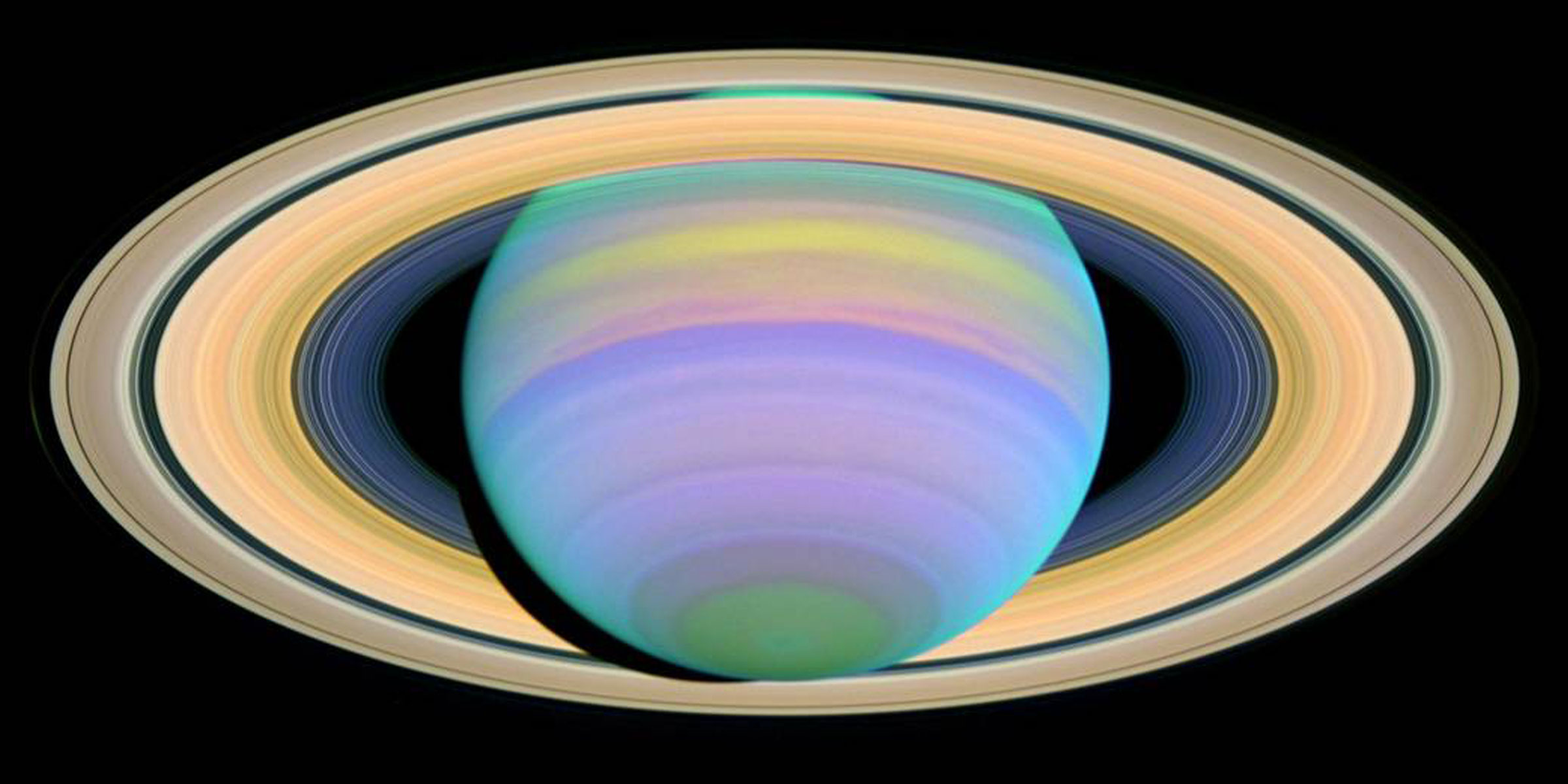
-
ViewSpace Videos: Extreme Physics and Phenomena
VideosThe universe is filled with objects that test the laws of physics, including extreme energies, new states of matter, and gravitational and magnetic fields that far exceed those on Earth. Explore what we...
-
Universe Unplugged Live Chat: Astronomers Talk ... Exoplanets!
August 27, 2019 Virtual Science TalkWhen we look for exoplanets, planets beyond our own Solar System, we focus on the habitable zone … But … what does that mean?! Tune into our live video chat with NASA scientists. EXPLORE ...
-
Light: Beyond the Bulb Exhibit
ExhibitsThese exhibits showcase the incredible variety of light-based science being researched today across the electromagnetic spectrum, across scientific disciplines, and across technological platforms. Materials...
-
ViewSpace Videos: Structure and Makeup of the Universe
VideosImmerse your viewers in the scale of the universe, how galaxies change over time, and what the center of our Milky Way looks like (and why we don’t have a full image of it!) in these videos. Are...
-
The Habitable Zone: Scorched Earth Enigma
VideosThis new episode follows explorers (actors from “The Expanse”) into a planetary danger zone in their quest for another Earth. Can their computer (Parry Shen of “General Hospital”)...
-
ViewSpace Videos: Herschel Space Observatory
VideosESA’s Herschel Space Observatory studied the universe in far-infrared light and submillimeter radiation, revealing new details about the earliest, most distant stars and galaxies, as well as those...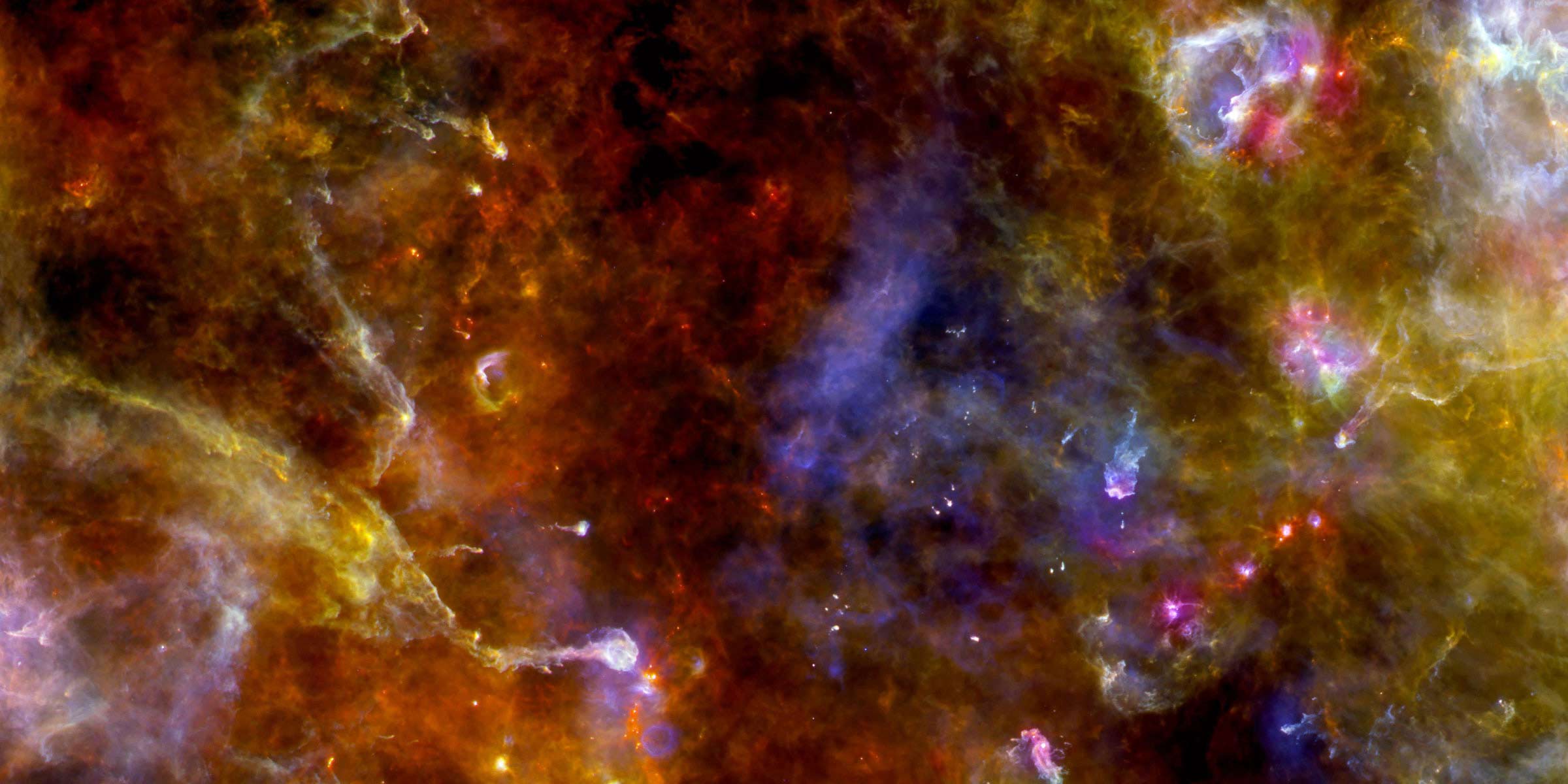
-
2019 NASA's Astrophoto Challenge (Summer)
May 31 through July 31, 2019 ChallengeThe summer 2019 NASA's Astrophoto Challenges have ended. This season's target: Whirlpool Galaxy. Try your hand at processing images from NASA's space telescopes, or capture and process ...
-
Life and Death of Stars Resource Guide
Resource GuideDo stars really move? How do stars form and die? What are nebulas and supernovas? This resource guide contains a range of resources and activities to help you guide audiences as they explore many facets...
-
Other Solar Systems, Other Earths Resource Guide
Resource GuideWant to delight audiences with information about planets discovered outside our solar system? Share one or more of the many resources about exoplanets, including in-person activities, videos and online...
-
ViewSpace Interactives: Black Holes
InteractiveA black hole is a region of space packed with so much mass that its own gravity prevents anything from breaking away. Although we can’t see a black hole, telescopes can observe the material around... -
ViewSpace Interactives: Star Death
InteractiveWhat happens when a star dies? It varies! Some stars die slowly, giving off puffs of gas and dust before collapsing to form small white dwarf stars. Much larger stars die suddenly in powerful explosions... -
ViewSpace Videos: X-Rays
VideosCompare how X-rays deliver detail about some of the most energetic processes in the universe. Explore X-rays in the context of black holes, supernovas, and galaxy clusters in these engaging videos. Are...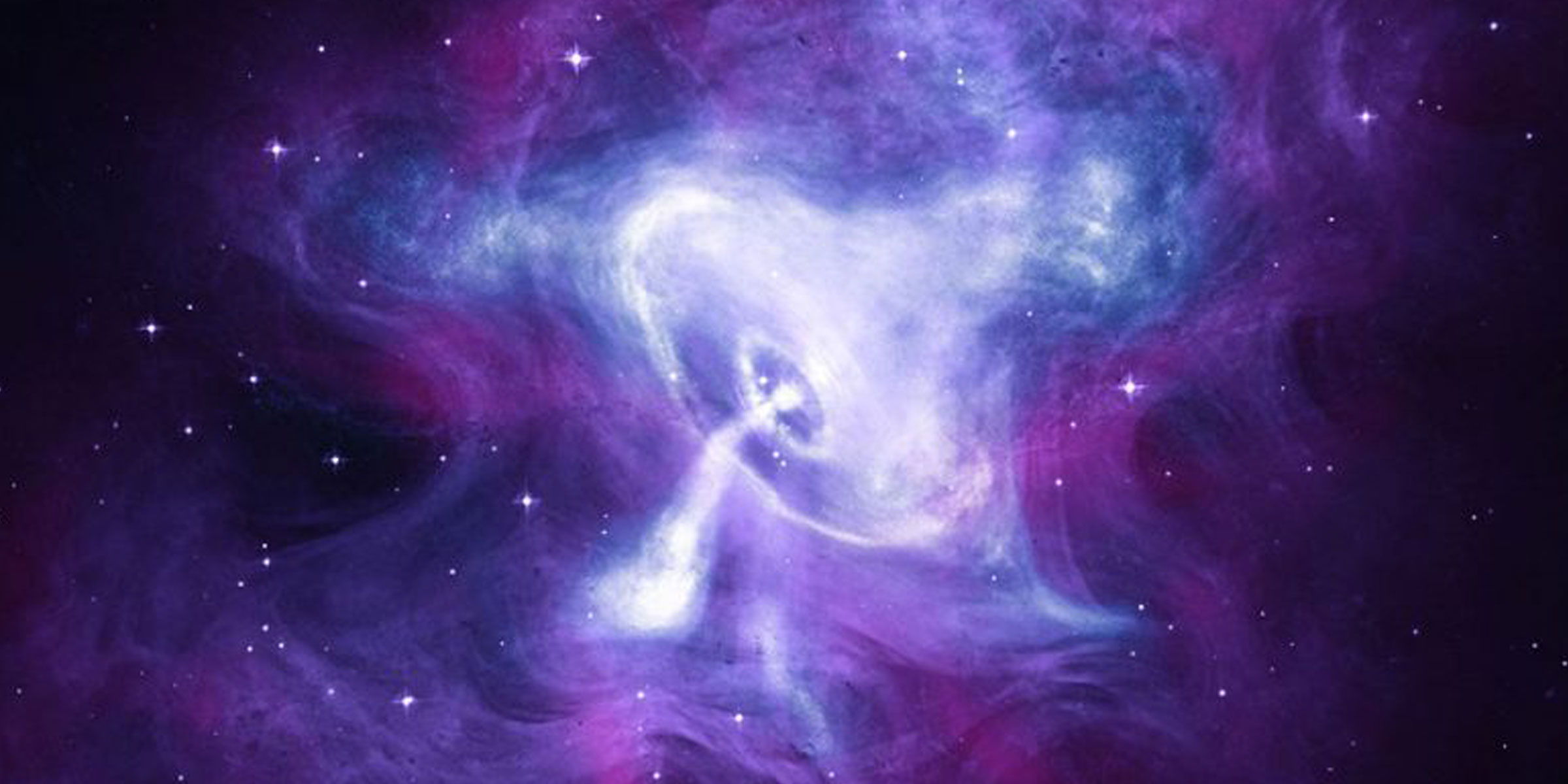
-
ViewSpace Videos: How Do We Know?
VideosHelp viewers discover the process of science! These videos explore how light travels, various telescope technologies, how we detect galaxies and exoplanets, and so much more. Are you interested in playing...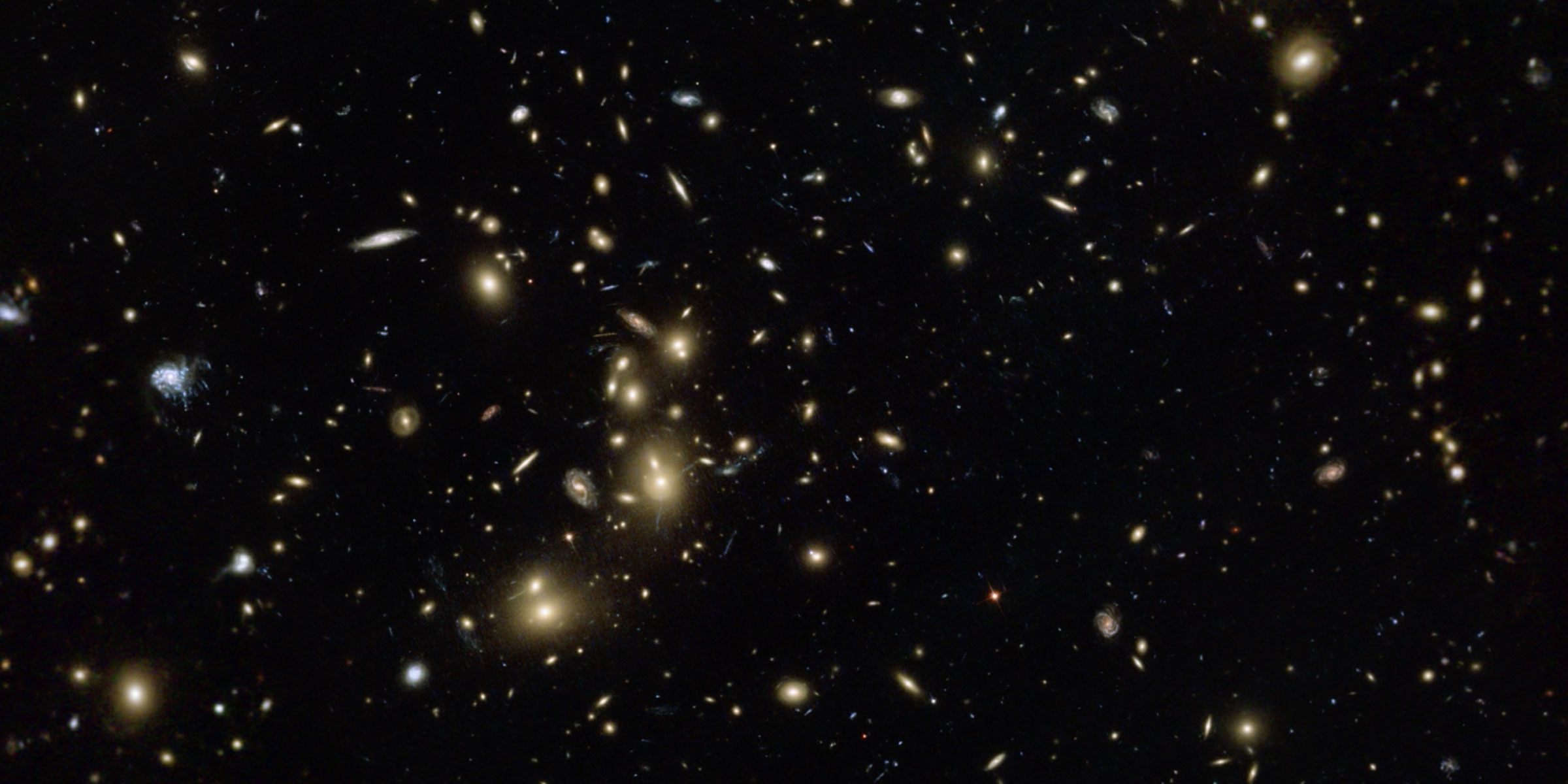
-
ViewSpace Interactives: Dark Matter
InteractiveScientists know more about what dark matter isn’t than what it is. We know dark matter exists because of its gravitational effects on objects we do see – objects that emit or reflect light.... -
Here. There. Everywhere. Exhibits
ExhibitsThis program connects science content in the fields of Earth science, planetary science, and astrophysics with everyday phenomena. Its purpose is to demonstrate the universality of physical laws and the...
-
Flyby of the Whirlpool Galaxy (Frame Sets)
VideosThe Whirlpool Galaxy, also known as Messier 51, is one of the nearest and best examples of a grand design spiral galaxy. Located about 25 million light-years away, the face-on galaxy exposes the full details...
-
ViewSpace Videos: Nebulas
VideosTake video tours of giant clouds of dust and gas in space, where new stars are forming or are the result of dying stars exploding. Highlights include the Cat’s Paw Nebula, Westerlund 2, the Eagle...
-
ViewSpace Videos: Supernovas
VideosWhat happens after a star explodes? Explore a supernova’s aftermath in detail, and learn about well-known objects like the Crab Nebula, Eta Carinae, and Supernova 1987A in these videos. Are you... -
ViewSpace Videos: Exoplanets
VideosLearn what we know about some faraway planets, how we can detect planets in our Milky Way galaxy, and what we can learn about exoplanets’ atmospheres in these videos. Are you interested in playing...
-
ViewSpace Interactives: Interacting Galaxies
InteractiveWhen galaxies are drawn toward each other by gravity, stars and planets can pass by each other unharmed, but the gas and dust between stars collide. The gas is compressed and heated, setting off waves... -
ViewSpace Videos: History and Origin of the Universe
VideosHow big is the universe? What happened after the big bang? How do we know the universe is expanding? Explore what we know about the history and origin of the universe in this video series. Are you interested...
-
ViewSpace Videos: Infrared Light
VideosHelp viewers explore what infrared light is and how it helps us see more of the universe in these engaging videos. Are you interested in playing ViewSpace in your museum, library, or other informal learning...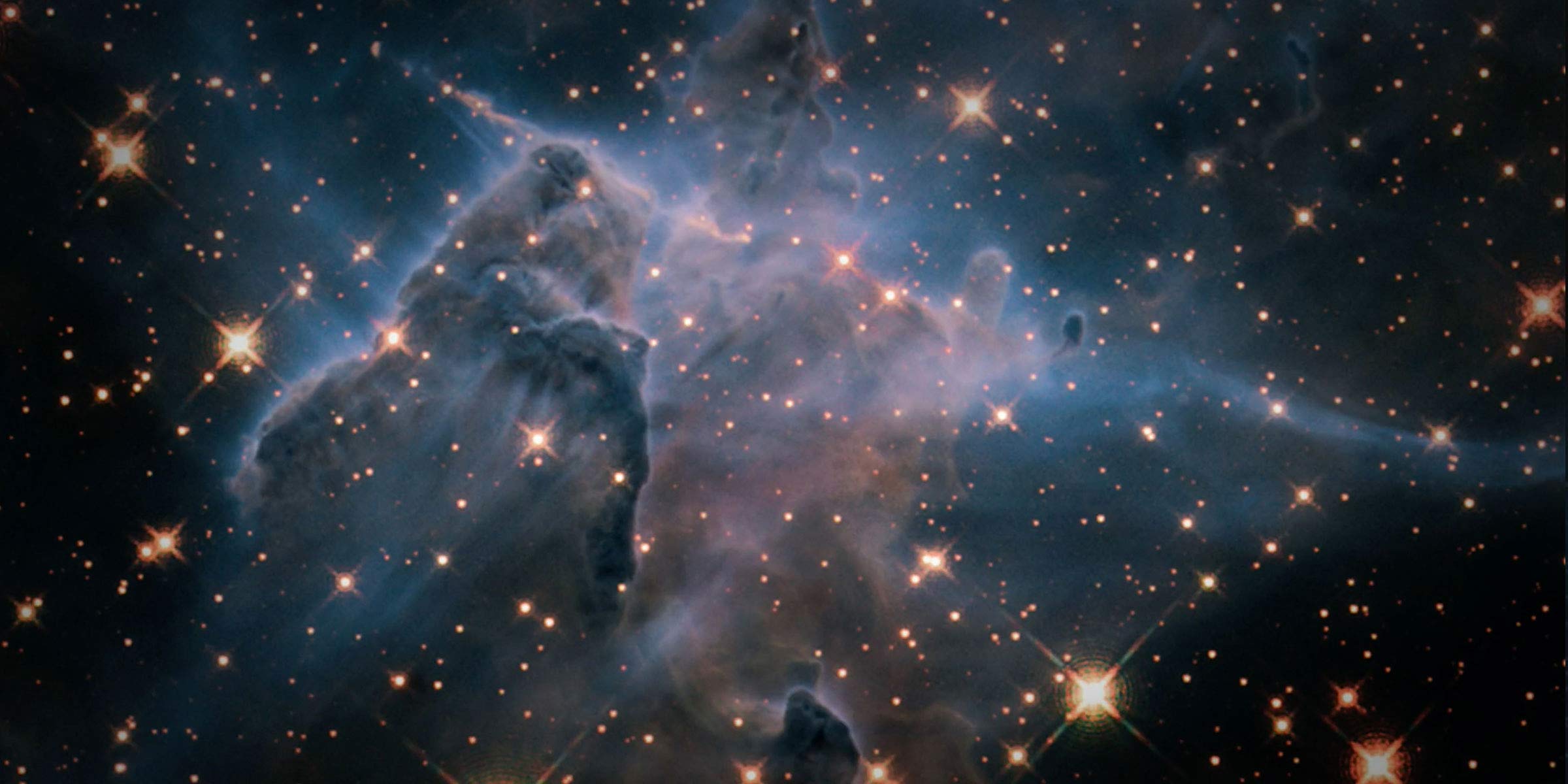
-
ViewSpace Videos: Stars
VideosExplore stars of all temperatures, masses, and types in these videos – from massive stars and nebulas to pulsating stars and light echoes. Also get an up-close look at our sun’s spectrum in...
-
ViewSpace Videos: Galaxies
VideosExamine galaxies up close: These videos showcase stunning spiral, elliptical and irregular galaxies, show what various light reveals about certain targets, and link galaxies to larger structures like galaxy...
-
ViewSpace Interactives: Seeing Farther
InteractiveBy observing at the same area of the sky for extended periods, space-based telescopes have the ability to capture faint light that left distant objects in the universe billions of years ago, but is only... -
Shedding New Light on the Whirlpool Galaxy
VideosThe Whirlpool Galaxy is a magnificent spiral galaxy that has been studied across the electromagnetic spectrum by NASA's Great Observatories. This remarkable video uses two-dimensional images and three-dimensional...
-
ViewSpace Videos: Life and Death of Stars
VideosMore than 50 videos look at the formation, evolution, and death of all types of stars. Tour images of star-forming regions, analyze individual stars across the electromagnetic spectrum, and learn why stars...
-
ViewSpace Interactives: Analyzing Light
InteractiveLight is packed with information! By using specialized instruments on telescopes, researchers can stretch light into a rainbow (known as a spectrum) to analyze its properties. Explore how scientists analyze... -
ViewSpace Videos: Visible Light
VideosWhat can we learn about the universe by examining it in visible light with space telescopes? View a range of galaxies to find out what visible light allows us to detect in these videos. Are you interested... -
ViewSpace Videos: Hubble Space Telescope
VideosOrbiting high above the Earth, NASA’s Hubble Space Telescope has a clear view of the universe free from the blurring and absorbing effects of the atmosphere, allowing the observatory to capture ultraviolet,...
-
ViewSpace Videos: Other Solar Systems, Other Earths
VideosHow many planets are in other solar systems? Are their stars similar to the Sun? Explore a range of exoplanets and their systems in this video series! Are you interested in playing ViewSpace in your museum,...
-
ViewSpace Videos: Space
VideosViewSpace videos tell the stories of planets, stars, galaxies, and the universe, giving viewers opportunities to experience space observed by satellites and telescopes. Explore more than 250 videos in...
-
The Habitable Zone: Goldilocks Paradox
VideosSpace explorers (actors from "The Expanse") are searching for a new hospitable world, aided by their computer with a Rod Serling complex (Parry Shen of "General Hospital"). This sci-fi...
-
The Habitable Zone Unplugged: Goldilocks Paradox the Search for Life (Part IV)
VideosWhat is the likelihood we may discover an exoplanet that could sustain human life? And are scientists searching for non-human life on other worlds? Find out more about the science behind the search for...
-
ViewSpace Interactives: Gathering Light
InteractiveIf you have ever used manual camera controls to photograph in low light, you know that the darker it is, the longer the exposure needs to be. Keeping the camera shutter open longer allows more light to... -
The Habitable Zone Unplugged: Goldilocks Paradox Characterizing Exoplanets (Part III)
VideosHow do we learn so much about what exoplanet are like? Can astronomers today actually detect water on distant worlds? Find out more about the science behind the search for a habitable exoplanet in the...
-
Pillars of Creation: Visible and Infrared Views (Frame Sets)
VideosThe Pillars of Creation (Eagle Nebula, or Messier 16) are a stellar nursery, composed of gas and dust slowly eaten away by massive stars that are off the far to the upper right corner of this image. The...
-
Helix Nebula: Ultraviolet, Visible, and Infrared Views (Frame Sets)
VideosStars like our Sun end their lives by casting off their outer layers, briefly forming a spectacular planetary nebula like the Helix Nebula. In visible light, we see the glow of hot gases illuminated by...
-
Flight Through the Orion Nebula in Visible and Infrared Light
VideosThis visualization explores the Orion Nebula using both visible and infrared light. The sequence begins with a wide-field view of the sky showing the plane of our Milky Way Galaxy, then zooms down to the...
-
The Habitable Zone Unplugged: Goldilocks Paradox Art vs. Science (Part II)
VideosHow are real scientific data used to help visualize exoplanets? What decisions do visual artists have to make when depicting an exoplanet? How do exoplanet researchers feel about exoplanet art? Find out...